Every year around this time, I find myself scrolling through social media and getting lost in those 30 to 60 second videos. You know the ones I’m talking about - you watch one video of a recipe that looks tasty, then another video of someone doing a craft autoplays, followed by a cleaning trick, and so on and so forth. Eventually, you’ll probably find yourself watching a video of gardening hacks. After all, this is the season when many gardeners are getting out and really active in their gardens again. Gardeners are seeking out new methods to improve their garden bounty and efforts. They may even be tempted to try some of these so-called “gardening hacks” often seen on social media. I’ve seen everything from using egg shells around tomatoes to planting seeds inside of bananas and eggs, rather than soil or other typical media. The accuracy of gardening hacks you see online is pretty diverse - ranging from mildly true to pretty irrational. Quite frankly, they are presented in ways that seem factual so it can be hard to distinguish which “hack” is likely to help your plants thrive and which “hacks” will help them meet a quicker end.
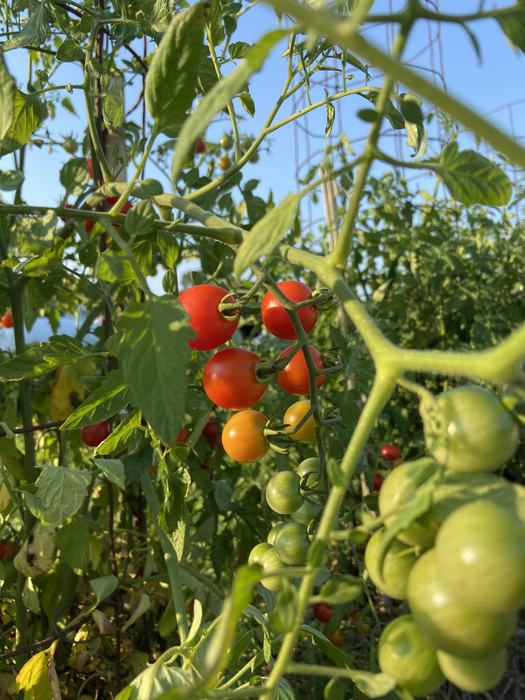
Let’s bust one of these gardening myths. As mentioned previously, I see many videos or posts of people using crushed up eggshells around their tomato plants to prevent blossom end rot. This hack is semi-based on truth. Blossom end rot in tomatoes, peppers and some cucurbits is caused by a calcium deficiency. Egg shells are, in fact, composed of mainly calcium carbonate. In theory, this gardening hack has the potential to hold true. However, the reality is that blossom end rot is usually due to uneven watering, making it difficult for the plant to take up the calcium that is in the soil. In some cases, it is due to lack of calcium in the soil. Adding eggshells will not make calcium available to plants in a timely enough fashion to help with blossom end rot. To protect your spring garden bounty, it is always advisable to take an early spring soil sample to get some insight on whether your soil has the correct amount of calcium and other essential nutrients. Keeping your tomatoes and other garden plants on a consistent schedule will help to prevent issues with nutrient uptake and keep your plants thriving.
If you find yourself unsure of a solution to any gardening woes, contact your local Extension office at 252-482-6585. We can help you determine the gardening practices that are true and practical, with research to back it up. Happy gardening!